June 15, 2026
Carpets do more than soften a room—they absorb daily life. From foot traffic and spills to dust and allergens, they quietly collect what the rest of your home sheds. Over time, this buildup can settle deep within the fibers, affecting not just how your carpet looks, but how your space feels overall. That’s why understanding the right schedule for carpet cleaning is less about rigid rules and more about aligning maintenance with how your space is actually used. A thoughtful, consistent approach helps preserve appearance, improve comfort, and support a healthier indoor environment without adding unnecessary effort.
If you’ve ever wondered whether you’re cleaning too often or not enough, you’re not alone. The answer depends on a mix of factors like lifestyle, carpet type, and environmental conditions, all of which influence how quickly dirt and debris accumulate. Instead of relying on guesswork, it’s more effective to break the process into practical considerations you can apply over time. Paying attention to how your home functions day to day makes it easier to build a routine that feels manageable while still keeping your carpets in good condition.
Evaluating Carpet Material and Fiber Type
Not all carpets respond the same way to use or cleaning. Materials like wool, nylon, and polyester each come with their own maintenance expectations, and those differences directly affect how often carpet cleaning should happen. Wool, for example, is durable but more sensitive to moisture and requires a gentler approach. Synthetic fibers like nylon tend to handle more frequent cleaning without losing structure.
Understanding what your carpet is made of helps you avoid over-cleaning or under-maintaining it. A high-end material might look resilient, but could degrade faster with aggressive methods. On the other hand, more durable synthetic options can tolerate a tighter cleaning schedule, especially in active households.
Matching your cleaning frequency to the material ensures that you’re preserving both the look and lifespan of your investment. It also helps you choose the right methods, whether that’s routine vacuuming or deeper professional carpet cleaning at set intervals.
Assessing Foot Traffic and Daily Use
The way a space is used plays a major role in determining cleaning frequency. High-traffic areas like living rooms, hallways, and entry points naturally collect more debris and require more consistent attention. In these spaces, weekly vacuuming paired with periodic deep carpet cleaning helps prevent buildup that can wear down fibers.
Lower-traffic areas, such as guest rooms or formal spaces, typically need less frequent maintenance. However, that doesn’t mean they should be ignored. Dust and allergens still settle over time, and without occasional cleaning, these spaces can develop hidden buildup.
A practical approach is to clean based on use rather than a fixed schedule. By adjusting your routine to match activity levels, you maintain a more balanced and efficient system without overcommitting time or resources.
Managing Pets and Household Activity
Homes with pets or children often require a more proactive cleaning strategy. Pet hair, dander, and occasional accidents can quickly change how often carpet cleaning becomes necessary. In these environments, vacuuming multiple times per week is often the baseline, with deeper cleaning happening more frequently than in pet-free homes.
Children add another layer of unpredictability, from spills to tracked-in dirt. These everyday moments make consistent upkeep essential, not just for appearance but for hygiene. Spot cleaning becomes just as important as scheduled maintenance, helping prevent stains from setting in.
Staying ahead of these factors doesn’t require perfection—it requires consistency. A slightly more frequent cleaning schedule can significantly reduce long-term wear and keep carpets looking and feeling fresh.
Preventing Allergens and Indoor Buildup
Carpets act like filters, trapping dust, pollen, and other airborne particles. Without regular carpet cleaning, these contaminants accumulate and can impact indoor air quality. For households with allergy sensitivities, this makes cleaning frequency even more important.
Vacuuming helps manage surface-level debris, but deeper cleaning is what removes what’s embedded within the fibers. Over time, neglecting this step can lead to a noticeable difference in how a space feels, especially in enclosed environments.
Maintaining a consistent cleaning routine supports a healthier indoor atmosphere. It’s not just about appearance—it’s about reducing what you don’t see but still experience daily.
Choosing Cleaning Methods and Scheduling
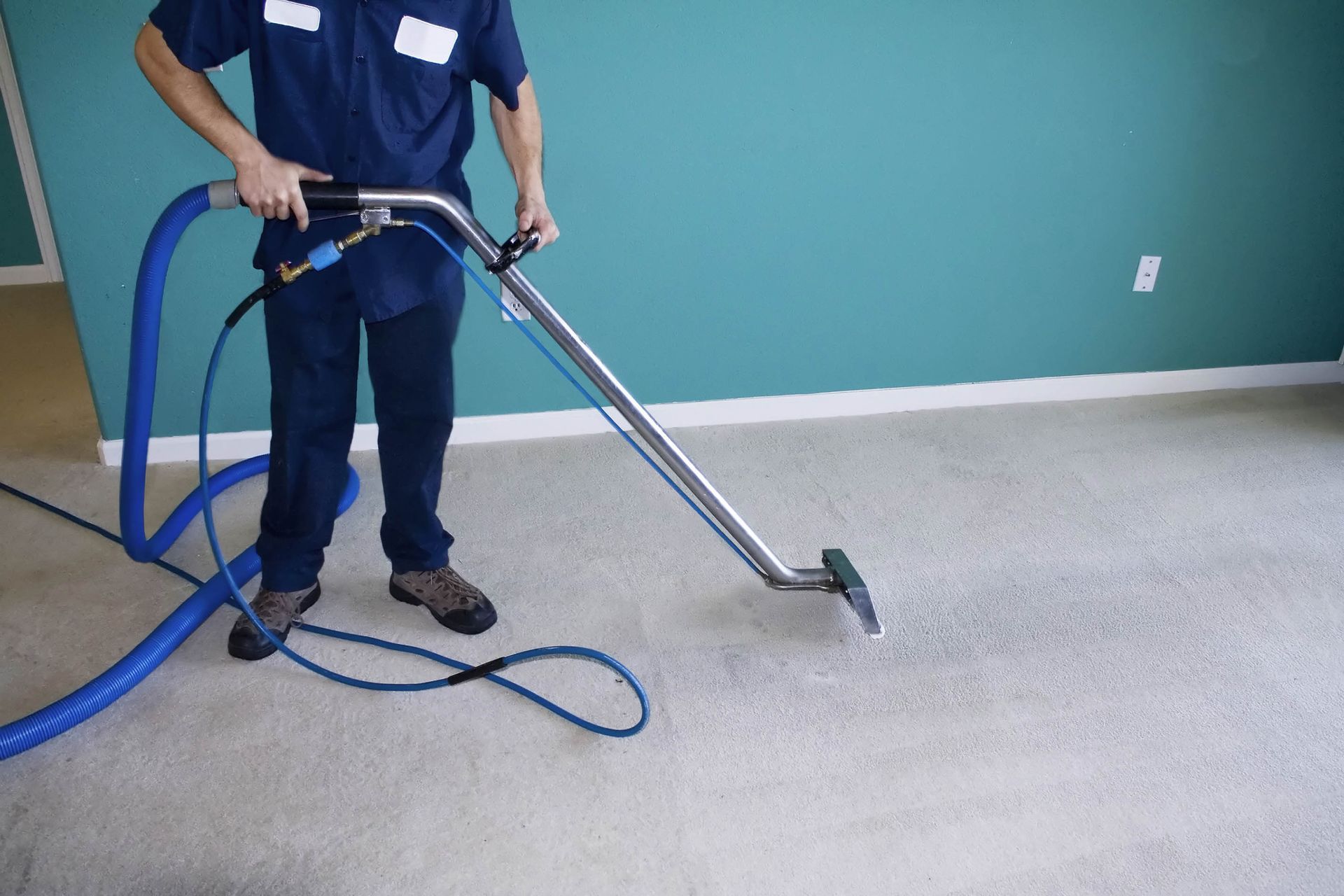
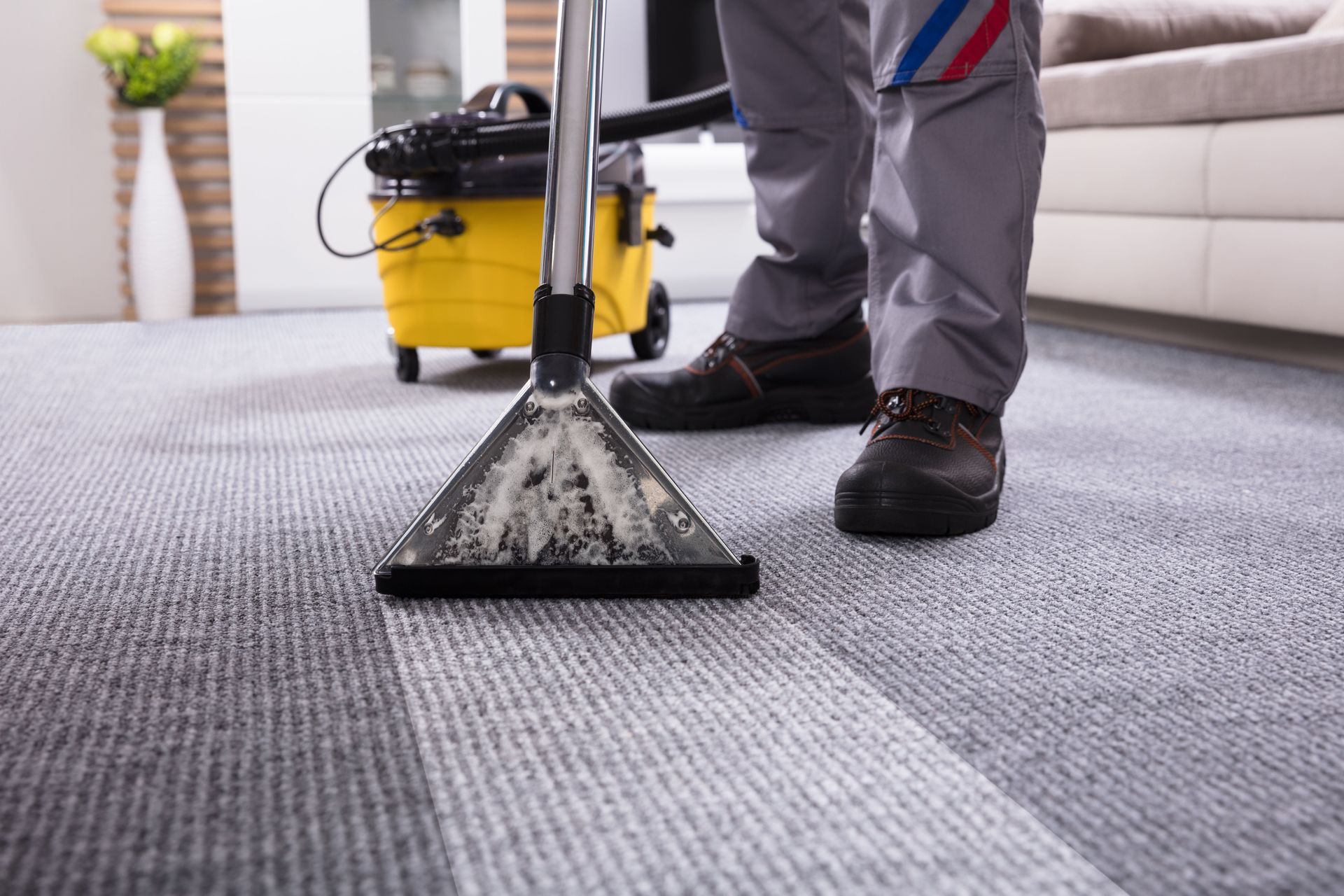
Different cleaning methods serve different purposes, and knowing when to use each one helps create a balanced routine. Vacuuming handles day-to-day maintenance, while methods like steam cleaning provide a deeper reset. Most homes benefit from professional carpet cleaning once or twice a year, though this can vary based on usage.
Dry cleaning methods offer a quicker alternative when time or drying conditions are a concern. They’re useful for maintaining appearance between deeper cleanings, especially in busy households or commercial settings.
According to data reported by IBISWorld, the carpet cleaning sector reached an estimated $6.9 billion in 2023, reflecting how common and necessary these services have become. That level of demand highlights how many households rely on professional support to maintain their carpets effectively.
A layered approach—combining regular upkeep with scheduled deep cleaning—creates a system that’s both manageable and effective over time.
Adapting Cleaning Frequency to Seasonal Changes
Seasons influence how much dirt and moisture your carpets encounter. Winter often brings in salt, mud, and moisture, increasing the need for frequent carpet cleaning. Spring introduces pollen and allergens, making regular vacuuming more important for maintaining indoor comfort.
Summer can track in sand and outdoor debris, while fall tends to bring leaves and dust. Each season shifts the type of buildup your carpets face, which means your cleaning approach should adjust accordingly.
Instead of sticking to a rigid plan, adapting your routine throughout the year helps you stay ahead of these changes. It also prevents buildup from compounding, which can make cleaning more difficult over time.
Maintaining Long-Term Carpet Performance
Consistent care is what ultimately extends the life of your carpet. Regular carpet cleaning prevents fibers from breaking down under accumulated dirt and friction. It also helps maintain color, texture, and overall appearance, which can decline quickly without proper upkeep.
A well-maintained carpet doesn’t just look better—it performs better. It retains its structure, feels more comfortable underfoot, and contributes to a cleaner overall environment. Small, consistent efforts often make a bigger impact than occasional deep cleanings alone. Thinking long-term helps reframe cleaning as part of preserving your space rather than just maintaining it. That mindset leads to better outcomes and fewer costly replacements over time.
There isn’t a one-size-fits-all answer to how often you should clean your carpets, but there is a clear pattern: frequency should reflect how your space is used.
From material type and foot traffic to seasonal changes and household activity, each factor plays a role in shaping the right routine. By paying attention to these details, you can create a cleaning schedule that feels practical and sustainable.
Consistency, rather than intensity, is what keeps carpets in good condition over time. Small, regular efforts like routine vacuuming and timely spot treatment help prevent buildup that can wear down fibers and dull the overall look of your space. Instead of relying on occasional deep cleans alone, a steady maintenance routine makes carpet cleaning more manageable while delivering longer-lasting results.
A balanced approach to carpet cleaning supports both appearance and indoor comfort without adding unnecessary effort to your routine. It allows you to maintain a clean, welcoming environment while also protecting the longevity of your flooring investment. For reliable, professional support that fits your schedule, contact Salerno Carpet & Upholstery Cleaning today.